Introduction
Hello dear reader, today I want to take you back to a time when Indian roads were simple, traffic was less, and bikes were judged by sound and strength, not by touchscreen displays. The Yamaha Rajdoot 350 came to India in the early 1980s, and honestly… India was not fully ready for it.
Do you know its very special or unique thing? It was fast. Really fast. At a time when most bikes struggled to cross 80 km/h, this machine could easily go much beyond that. For many riders, it felt like holding a wild animal on two wheels.
So friend, this bike was not for everyone. But for those who understood it — it became unforgettable.
A Short History in Simple Words
Hi brother, before riding any legend, we should know where it came from. The Yamaha Rajdoot 350 was based on the Yamaha RD350, which was already famous worldwide. In India, it was made by Escorts Group under the Rajdoot brand, with Yamaha technology behind it.
So friend, the bike carried Yamaha’s racing DNA but wore an Indian name. That combination alone made it interesting.
Do you know what went wrong? Fuel quality, riding habits, and lack of proper service knowledge. Because of this, many people misunderstood the bike. Some called it unreliable. Some said it was dangerous. But the truth was simple — it needed respect and correct care.
Design – Simple, Muscular, and Honest
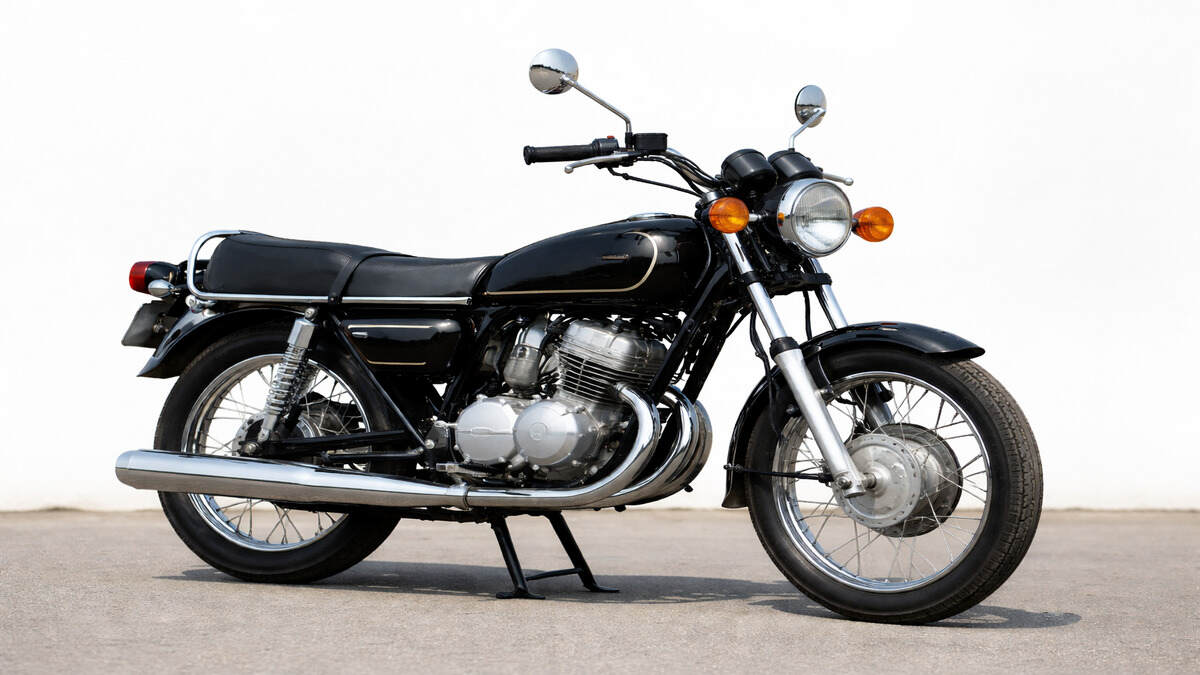
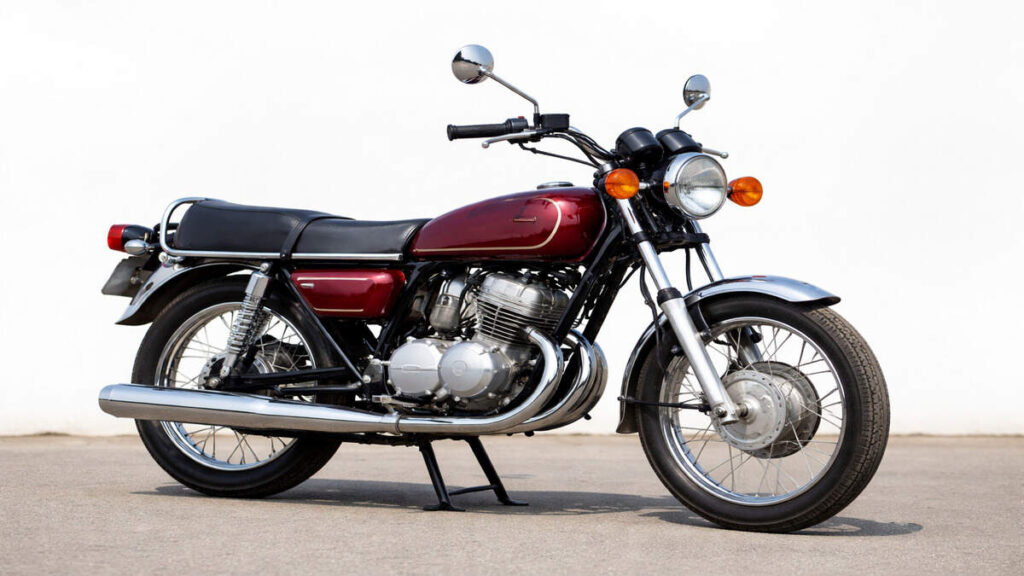
Hello friends, let’s talk about looks. By today’s standards, the Yamaha Rajdoot 350 may look basic. But in its time, it looked bold and serious.
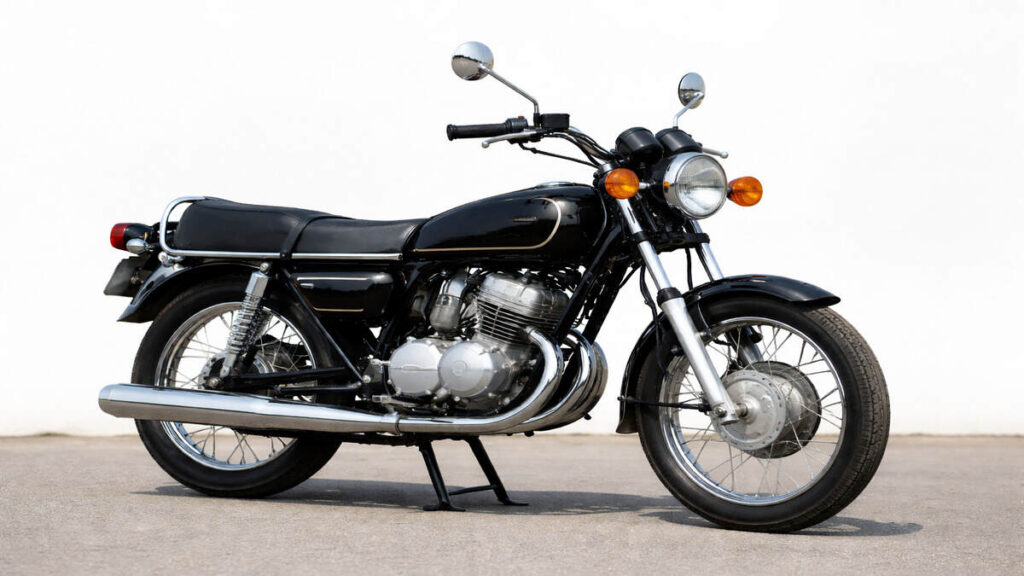
The round headlamp, straight handlebars, long fuel tank, and twin exhaust pipes gave it a strong presence. No unnecessary curves. No fancy plastic. Just metal and muscle.
So, friend, when this bike passed by, people turned their heads. Not because of bright colours, but because of its deep exhaust sound.
Available colours were limited but classy — Black, Maroon, Blue, and sometimes Silver. Each colour had its own charm, but black was the most loved.
Engine and Performance – The Real Story
Hello, dear rider, now we come to the heart of the bike. The engine.
The Yamaha Rajdoot 350 had a 347cc twin-cylinder, two-stroke engine. Sounds simple, right? But the experience was not simple at all.
So brother, when you twist the throttle, the bike doesn’t just move — it jumps. Power delivery is sudden. There is a strong pull, especially in mid-range.
Do you know it’s a very special or unique thing? The power-to-weight ratio. This bike was light but powerful. That made it quick… and sometimes scary for new riders.
In real life, many riders say the bike felt calm at low speed, but once it crossed a certain RPM — boom — it became alive.
Honestly speaking, this was not a traffic-friendly bike. It was happiest on open roads.
Riding Experience – Not for the Careless
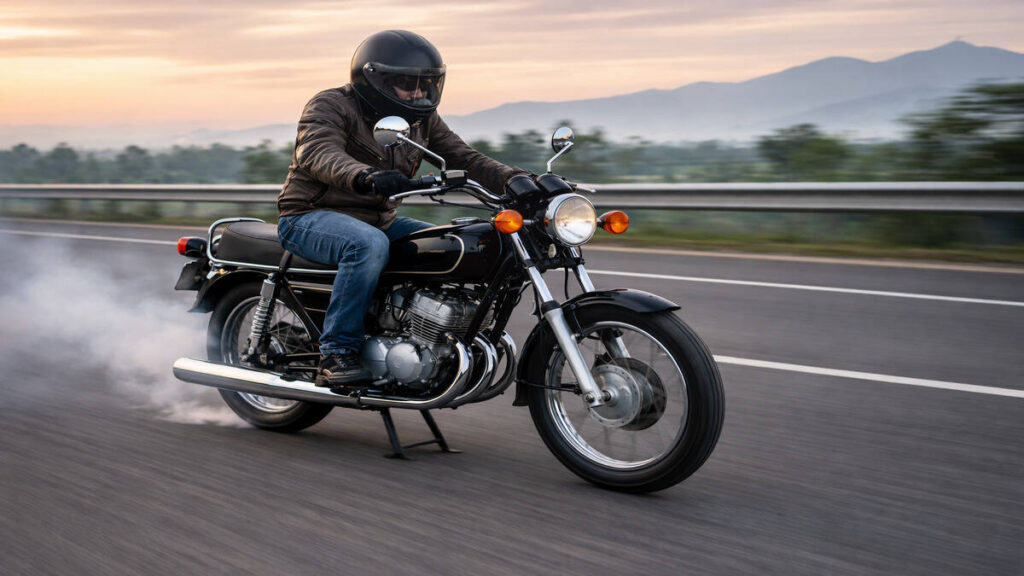
So, friend, imagine this. Early morning road. Empty highway. Cool air. You kick-start the Yamaha Rajdoot 350. The engine warms up. You pull the clutch, engage the gear, and slowly open the throttle.
The bike responds instantly. There’s vibration, yes. There’s noise, yes. But there’s also excitement.
So, brother, riding this bike teaches you discipline. Bad gear change? The bike reminds you. Wrong throttle control? It reacts fast.
Do you know why many people feared it? Because it didn’t forgive mistakes easily.
In real life, one uncle in our town bought it thinking it was like any other bike. Within a week, he realised — this machine needs skill. He later sold it to a younger rider who truly enjoyed it.
Brakes and Handling – Old School Feel
Hello friend, let’s be honest. By today’s standards, braking was average. Drum brakes were common back then, and the Yamaha Rajdoot 350 also had them.
So, brother, you had to plan your braking early. No sudden stops. No panic braking.
Handling was stable at high speed, which is surprising for that era. On straight roads, the bike felt planted. On sharp turns, it needed experience.
Do you know what made it tricky? The sudden power surge. If you’re not ready, it can push you wide in a corner.
But in skilled hands, it was smooth and rewarding.
Mileage – The Biggest Complaint
Hi dear reader, now comes the part many people complained about — fuel consumption.
Let’s be real. This bike was never made to be fuel-efficient. Mileage was around 20–25 km/l, sometimes even less.
So friend, during times when petrol prices mattered a lot, this bike felt expensive to run.
Add to that the need for two-stroke oil mixing, and people started calling it “high maintenance.”
But honestly… if you bought a Rajdoot 350 for mileage, you bought the wrong bike.
Maintenance and Reliability – Depends on You
Hello brother, let me say this clearly. The Yamaha Rajdoot 350 was not unreliable. It was misunderstood.
If serviced properly, with good quality oil and correct tuning, it could run smoothly.
But back then, many mechanics didn’t understand twin-cylinder two-stroke engines. Wrong tuning caused problems.
So, friend, owners who learned about their bike, maintained it well, and rode it sensibly — they loved it.
Those who ignored it — they suffered.
Price – Then and Now
So friend, let’s talk money.
Back in the day, the Yamaha Rajdoot 350 was expensive compared to other bikes. That alone limited its popularity.
Now coming to today’s value, in our town, a well-maintained Rajdoot 350 can cost anywhere between ₹2.5 lakh to ₹5 lakh, depending on condition and originality.
Restored bikes with original parts can even go higher.
Do you know it’s a very special or unique thing today? It’s no longer just a bike. It’s a collector’s item.
Why It Failed Commercially but Won Hearts
Hello, dear reader, this is important.
The Yamaha Rajdoot 350 failed in sales but succeeded in legacy.
Why did it fail?
High fuel consumption, high price, lack of trained mechanics, and riders not ready for such power.
Why did it win hearts?
Because it was raw. Honest. Powerful.
So brother, people who rode it still remember the thrill. Ask anyone who rode it back then, and they’ll tell you: today’s bikes just don’t hit the same.
Real-Life Example – A Memory from the Road
So friend, let me share a small real story.
In our town, there was one Rajdoot 350 owned by a college lecturer. Every Sunday morning, he would ride it slowly through the main road. No racing. No show-off. Just smooth riding.
People knew the bike by sound before seeing it.
Years later, when he sold it, the new owner still keeps it in mint condition. That’s respect.
Is It Worth Buying Today?
Hello brother, honest answer — yes, but not for everyone.
If you love vintage bikes, enjoy mechanical machines, and don’t mind maintenance — this bike is gold.
If you want daily comfort, mileage, and easy service — look elsewhere.
Do you know why collectors love it? Because bikes like this will never be made again.
Final Thoughts – A Legend That Demands Respect
So friend, let’s wrap this up.
The Yamaha Rajdoot 350 was bold. Too bold for its time.
It taught riders about power, control, and responsibility.
It wasn’t perfect. It drank fuel. It needed care. But it gave something rare — pure riding emotion.
Hello dear reader, if you ever get a chance to see one, hear one, or ride one — take it. Because legends are not just meant to be read about. They’re meant to be felt.